Newsroom
September 23, 2026
If Technology Gave Us More Ways To Connect, Why Is Closeness So Hard To Find?
Jackie Jantos, Hinge’s CEO
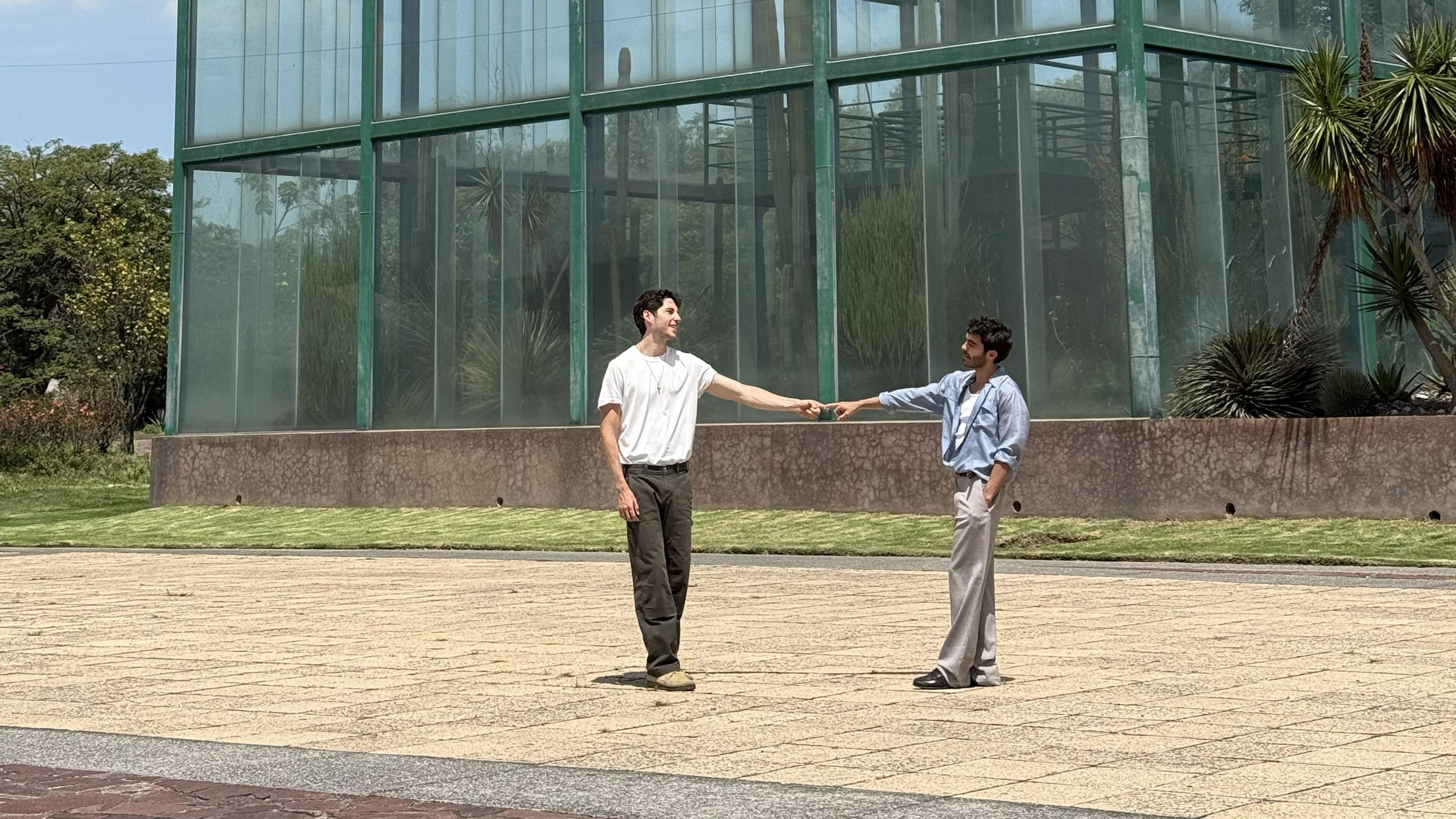
Social networks were supposed to bring us closer. What we got instead were feeds that made it too easy to doom scroll, and a newfound habit of unlocking our phones dozens of times a day.
Dating apps found their own version of the same trap. Ten years ago, we rebuilt our own product because it had become a numbers game — like, match, repeat — a place for browsing endless options and fleeting connections, rather than being the app for the meaningful relationships that we want people to find. We think a lot about what technology actually does for the people who use it, and we want the rest of the industry to join us in building better solutions.
For years, tech earned real goodwill by creating products that make life easier, but Gen Z is the first generation to insist that brands prioritize their wellbeing alongside that ease. 72% of Gen Z say it's important that the brands in their lives make them feel good. Yet, they’re lonelier than any generation before them, spending an estimated 1,000 fewer hours a year connecting face-to-face than they did two decades ago. One in six people globally are struggling with loneliness. Too many products get judged only by whether people use them, but not by what using them costs us.
If we've never been more connected through technology, why do we feel so alone? At Hinge, we call this the closeness crisis: the widening gap between how digitally connected people are and how close they actually feel to others. That tension is what inspired our inaugural conference, Heads Up. We're convening founders, researchers, creators, technologists, designers, activists, community builders and other cultural leaders to move beyond discussing how we got here, to designing better solutions. While I don’t have all the answers, here's where I think we should start.
At Hinge, we call this the closeness crisis: the widening gap between how digitally connected people are and how close they actually feel to others.
Move beyond the individual founder toward collective, distributed leadership
My north star for this work is simple: no one person — and no single organization — can have a significant impact operating alone.
There's no shortage of individual leaders driving organizations forward, but the ones I admire most use their gathering power to inspire people around them to lead, ultimately building a forum of leaders who are stronger together.
That’s important because every individual leader brings a single lived experience into the room, and that's where limitation shows up. One person's view, however sharp, is still one view. Widening who's in the room is how you get to a better answer than any single leader could reach alone. Studies show that multidisciplinary teams are essential for solving complex crises, and leadership is no different.
You can see this now with AI. A handful of individual leaders — the same few people, at the same few companies — are each shaping their own personal vision of what technology should enable for the rest of us. How could a handful of people possibly create solutions for all of us?
That's why we designed Heads Up to bring together people who don’t normally share a room. And while I know the work won't be finished in a day, my hope is that it keeps moving forward through future task forces, working groups, and roundtables.
Talk with the people you serve instead of about them
You can only build something that meets the needs of people with different identities by actually bringing them into the process.
That takes more than one method: surveys and interviews to understand broader trends; co-design and concept testing to understand their feedback; and partnerships with community experts and organizations who bring lived experience that your own teams don't have. It's slower than assuming you already know the answer, but it's how you end up building something people actually need, instead of something that just looked good in the room.
At Hinge, we try to bring daters into the process of shaping the app wherever we can. Match Note is an example I’m very proud of, as we built it in partnership with organizations like TransTech Social Enterprises and Disability:IN. We heard from neurodivergent daters, trans daters, and other underrepresented communities that they wanted a way to share important context with a match — before a conversation started and without having to repeat themselves. Now daters can privately share things like their communication styles, sobriety, or what family looks like for them. 68% of daters with a Match Note feel the feature helps them determine better compatibility with matches.
Build for the real-world outcome you want to see
A product can hold someone's attention for hours and never once help them connect, belong, or spend real time with someone they love.
At Hinge, we hold ourselves to one outcome: helping people get to a great date. We believe technology should support human connection, not replace it, and that means moving people from the app toward something real, in person.
We hold every part of the business to that standard. We track what happens in the app, like matches, messages, and time spent, but only to better understand the dating journey, not to hit engagement numbers. Of the multiple features we test, we only ship those that move people closer to a great in-person date; otherwise, it's just activity.
And we don't run ads because we don’t want to keep anyone on the app a second longer than they need to be.
We're not the only ones thinking about real-world outcomes as a primary metric. Pinterest optimizes for 'time well spent' — rather than time spent — measuring success by whether people leave feeling inspired to actually do something. Additionally, Brick has built an entire hardware company to help people limit their screen time and get back to living. Both of them will be in the room at Heads Up, and I am so excited because this only works if more of us work together on solutions.
This is also personal for me. We all want to feel safe, loved, and heard. I think about my own family. Time together, even just 30 minutes, with total focus on each other over dinner or a game — this is the presence that connects us and regulates our bodies. We shouldn’t have to fight with tech to find those moments.
No company or leader can solve the closeness crisis alone. So as you think about what you’re building, ask what it will make possible for people and whether the right voices are in the room to help shape it.
No company or leader can solve the closeness crisis alone. So as you think about what you're building, ask what it will make possible for people and whether the right voices are in the room to help shape it.